Sugar Cookie: A Retro-Inspired Script Font for Modern Design
In the world of typography, fonts play a crucial role in conveying tone, style, and personality. One such font that has captured the attention of designers and creatives alike is Sugar Cookie. This casual, handwritten script font brings a unique blend of retro charm and modern flair, making it a versatile choice for a wide range of design projects. Whether you're looking to create vintage-inspired graphics or something more contemporary, Sugar Cookie offers a distinctive aesthetic that can elevate your work.
What Is Sugar Cookie?
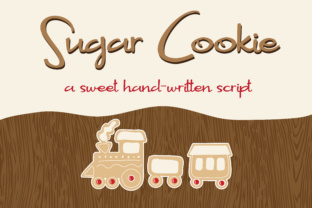
Sugar Cookie is a handwritten script font that exudes a sense of warmth and approachability. Its design is reminiscent of the 60s Mod era, with uppercase characters that drop below the baseline, giving it a playful and slightly informal look. This subtle detail adds character to the font, making it stand out from more traditional script fonts. The overall feel of Sugar Cookie is casual and relaxed, which makes it ideal for projects that aim to convey a friendly or nostalgic vibe.
The font's retro influence is evident in its smooth curves and organic shapes, which evoke the handcrafted feel of vintage signage and lettering. However, despite its nostalgic roots, Sugar Cookie is not limited to old-fashioned designs. Its clean lines and balanced structure allow it to fit seamlessly into modern layouts, making it a flexible option for both digital and print media.
The Purpose and Significance of Sugar Cookie
Typography is more than just choosing a font—it's about communication. Each font carries a specific tone and message, and Sugar Cookie is no exception. Its purpose lies in its ability to add a personal touch to any design. Whether used in branding, packaging, or editorial work, Sugar Cookie can help convey a sense of authenticity and creativity.
One of the key reasons designers choose Sugar Cookie is its ability to bridge the gap between vintage and modern aesthetics. In an age where minimalism and clean design dominate, Sugar Cookie offers a refreshing alternative that brings a bit of whimsy and character to the table. It’s particularly popular among indie brands, artists, and small businesses that want to stand out without sacrificing professionalism.
Moreover, Sugar Cookie's handwritten style makes it perfect for projects that require a more personal or artisanal feel. Think of a bakery logo, a handmade greeting card, or a boutique label—each of these could benefit from the unique charm of Sugar Cookie. Its casual nature also makes it suitable for social media content, where a more approachable and engaging visual style is often preferred.
How Sugar Cookie Fits Into Modern Life
In today’s fast-paced, digital-first world, design choices have a significant impact on how brands and individuals are perceived. Sugar Cookie fits into this landscape by offering a font that is both functional and expressive. It allows creators to communicate their message with a touch of personality, which can be especially valuable in marketing and branding.
For example, in the realm of digital marketing, Sugar Cookie can be used to create eye-catching headlines or call-to-action buttons that stand out from the crowd. Its retro feel can evoke a sense of nostalgia, which is a powerful emotional trigger for many consumers. At the same time, its modern adaptability ensures that it doesn’t feel outdated or out of place.
In education, Sugar Cookie can be a useful tool for teachers and educators who want to make learning materials more visually engaging. Handwritten fonts like Sugar Cookie can make text feel more accessible and less intimidating, which can be beneficial for students of all ages. Additionally, it can be used in creative writing or art classes to inspire students to explore different styles of expression.
For personal use, Sugar Cookie can add a unique touch to DIY projects, such as custom stationery, wedding invitations, or even personal blogs. Its casual and friendly appearance makes it ideal for projects that emphasize individuality and creativity.
Practical Relevance of Sugar Cookie
When it comes to practical applications, Sugar Cookie is a font that can be used across various industries and formats. Its versatility makes it a go-to choice for designers looking to add a personal or artistic element to their work. Here are some common use cases:
- Branding: Sugar Cookie can be used in logos, business cards, and other brand assets to create a memorable and distinctive identity.
- Print Media: From brochures to posters, Sugar Cookie adds a stylish and readable touch to printed materials.
- Web Design: When used in web headers or callouts, Sugar Cookie can draw attention and enhance the visual appeal of a website.
- Graphic Design: Whether designing social media posts, advertisements, or illustrations, Sugar Cookie provides a unique visual element that can set a project apart.
One of the advantages of Sugar Cookie is that it works well in both large and small sizes. This means it can be used for everything from bold headlines to subtle accents, depending on the design needs. Its readability is also a key factor, as it maintains clarity even at smaller sizes, which is essential for effective communication.
Common Misconceptions About Sugar Cookie
While Sugar Cookie is a popular choice, there are some common misconceptions about its usability and effectiveness. One of the most frequent assumptions is that handwritten fonts are less professional or harder to read. However, this isn't necessarily true. With proper spacing and design considerations, Sugar Cookie can be just as legible as any other font, especially when used in appropriate contexts.
Another misconception is that Sugar Cookie is only suitable for retro-themed projects. While its 60s Mod inspiration is clear, the font’s adaptability allows it to be used in a variety of styles. For instance, it can be paired with geometric shapes or minimalist elements to create a modern, cohesive look. This flexibility makes it a valuable asset for designers who want to experiment with different visual themes.
Additionally, some users may assume that Sugar Cookie is difficult to work with due to its script style. However, most font foundries provide detailed guidelines and examples to help users understand how to best utilize the font. With the right tools and techniques, Sugar Cookie can be integrated into any design workflow without issue.
Conclusion
Sugar Cookie is more than just a font—it’s a design tool that brings a unique blend of retro charm and modern versatility to any project. Its handwritten style, combined with its ability to adapt to different contexts, makes it a valuable addition to any designer’s toolkit. Whether you're working on a vintage-inspired campaign or a contemporary design, Sugar Cookie offers the perfect balance of character and functionality.
By understanding the purpose, significance, and practical relevance of Sugar Cookie, you can make informed decisions about how to use it in your own work. As with any font, the key is to consider the context and audience, ensuring that the chosen typeface enhances rather than detracts from the overall message. With its friendly, approachable aesthetic, Sugar Cookie is sure to make a lasting impression in the world of design.