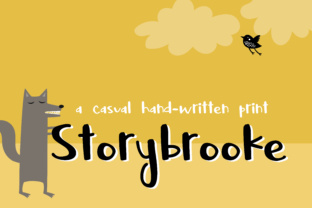
Storybrooke: A Handwritten Font That Captures the Spirit of Modern Creativity
In a world where digital design dominates, the human touch remains one of the most powerful tools for connection. Storybrooke, a casual, handwritten font with a youthful and playful aesthetic, has emerged as a standout in the typography landscape. Its high contrast sans serif style, featuring thick and thin variations, offers a unique visual identity that resonates with a wide range of creators, entrepreneurs, and marketers. As the demand for authentic, expressive design continues to grow, Storybrooke is not just a font—it’s a movement.
What Is Storybrooke?
Storybrooke is more than just a font; it's a design philosophy. This handwritten typeface combines the warmth of cursive writing with the structure of a sans serif, resulting in a versatile and dynamic look. The contrast between thick and thin strokes adds depth and character, making it ideal for projects that require both energy and elegance. Whether used in branding, web design, or print media, Storybrooke brings a sense of approachability and creativity to any visual composition.
The font’s name itself evokes a sense of storytelling and imagination, which aligns with its purpose. It’s designed for those who want to communicate with authenticity and charm, whether they’re launching a new product, creating a social media campaign, or designing a personal website.
How Storybrooke Fits Into Broader Trends
The rise of Storybrooke reflects a broader shift in design trends toward more personal, human-centric aesthetics. In an era dominated by clean, minimalist fonts, there’s a growing appreciation for the imperfections and uniqueness that handwritten styles bring. This trend is particularly evident in industries like marketing, where brands are seeking ways to stand out and connect with their audiences on a more emotional level.
Moreover, Storybrooke aligns with the increasing importance of visual storytelling in digital content. As consumers become more discerning, the need for visually engaging and emotionally resonant content has never been higher. Fonts like Storybrooke help convey personality and emotion, making them essential tools for modern creators.
The Role of Typography in Brand Identity
Typography plays a crucial role in shaping brand identity. It’s not just about readability—it’s about how a brand is perceived. Storybrooke’s distinctive style allows brands to express their values and personality in a way that feels genuine and relatable. For example, a startup focused on innovation and creativity might use Storybrooke to reinforce its image as forward-thinking and approachable.
Additionally, the font’s versatility makes it suitable for various applications. From logos and packaging to social media graphics and email newsletters, Storybrooke can be adapted to fit different contexts while maintaining a cohesive visual language.
Why People Are Paying Attention to Storybrooke
One of the reasons Storybrooke has gained attention is its ability to bridge the gap between digital and analog design. In a world where many fonts feel overly polished or generic, Storybrooke offers a refreshing alternative. Its handmade quality gives it a sense of authenticity that resonates with both designers and end-users.
Furthermore, the font’s popularity is fueled by its accessibility. With a wide range of weights and styles available, designers can easily integrate Storybrooke into their workflows without sacrificing quality or consistency. This ease of use makes it a valuable asset for professionals across different industries.
Another factor contributing to its appeal is its alignment with current consumer preferences. Today’s audiences value transparency, individuality, and emotional connection. Storybrooke’s expressive nature helps brands communicate these values effectively, fostering a deeper connection with their audience.
Changing Needs and Preferences in Design
The design industry is constantly evolving, and so are the needs and preferences of its users. As more businesses move online and rely on digital platforms for customer engagement, the demand for visually compelling content has increased. This shift has led to a greater emphasis on typography as a key element of design strategy.
Storybrooke meets this demand by offering a font that is both aesthetically pleasing and functionally effective. Its high contrast and varied stroke weights make it easy to read while still standing out in a crowded visual space. This balance between form and function is what makes it particularly relevant in today’s design landscape.
Additionally, the font’s adaptability allows it to thrive in different formats. Whether used in a mobile app, a website, or a printed brochure, Storybrooke maintains its visual integrity, ensuring that the message remains clear and impactful.
Practical Examples of Storybrooke in Action
Many brands have already embraced Storybrooke to enhance their visual identity. For instance, a boutique coffee shop might use the font in its logo and menu designs to create a warm, inviting atmosphere. Similarly, a tech startup could incorporate Storybrooke into its website to convey a sense of innovation and creativity.
On social media, Storybrooke is often used in promotional posts and advertisements to grab attention and evoke emotion. Its playful yet professional appearance makes it ideal for campaigns targeting younger demographics who value authenticity and style.
Even in more traditional industries, such as publishing and education, Storybrooke is being utilized to add a touch of personality to content. This demonstrates its broad appeal and versatility, proving that it can be used in a variety of contexts without losing its unique character.
Connecting to Larger Developments in Design
As the design industry continues to evolve, the importance of typography in shaping user experiences cannot be overstated. Storybrooke is part of a larger movement that emphasizes the power of visual communication in building trust, engagement, and loyalty.
This trend is closely tied to the growing influence of user experience (UX) design. As companies focus more on creating seamless and enjoyable interactions, the choice of typography becomes a critical factor in the overall experience. Fonts like Storybrooke help create a more engaging and memorable user journey, reinforcing the brand’s message and values.
Moreover, the rise of remote work and digital collaboration has further highlighted the need for clear and effective communication. Storybrooke’s readability and expressiveness make it an excellent choice for digital documents, presentations, and collaborative projects where clarity and impact are essential.
Conclusion
Storybrooke is more than just a font—it’s a reflection of modern design values and creative aspirations. Its unique blend of handwritten charm and structured typography makes it a powerful tool for anyone looking to express themselves authentically in a digital world. As the demand for personalized, emotionally resonant content continues to grow, Storybrooke is poised to remain a favorite among designers, marketers, and entrepreneurs alike.
Whether you’re building a brand, crafting a message, or simply looking for a font that stands out, Storybrooke offers a fresh and exciting option that captures the spirit of contemporary creativity.