Basvetica: A Bold Serif Font for Branded Headlines
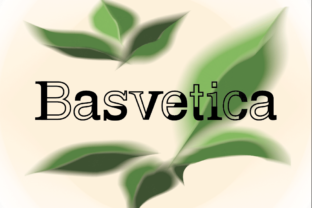
Basvetica is a distinctive serif font that stands out due to its high-contrast design, combining outlined and filled elements in a way that creates visual interest while maintaining legibility. This unique style makes it particularly effective for headlines, where boldness and clarity are essential. Whether used in print or digital formats, Basvetica can add a strong visual identity to any project.
Unlike many traditional serif fonts that rely on consistent stroke widths, Basvetica introduces variation through its design. The contrast between the thin lines and solid areas gives it a dynamic feel, making it ideal for situations where a designer wants to draw attention without sacrificing readability. This balance of aesthetics and functionality is one reason why Basvetica has become a popular choice among designers looking for a modern yet classic look.
What Makes Basvetica Unique?
At its core, Basvetica’s appeal lies in its ability to merge contrast with structure. The font’s outlined strokes create a sense of lightness, while the filled-in parts provide weight and definition. This combination allows it to stand out in large-scale applications, such as billboards, posters, or website headers, where it can command attention without becoming overwhelming.
The font’s design also lends itself well to branding. Its distinct appearance can help establish a strong visual identity, especially when used consistently across different media. However, this same boldness may not be suitable for all contexts. In smaller text sizes or dense layouts, the high contrast could reduce readability, making it less practical for body copy or detailed information.
Comparing Basvetica to Similar Fonts
When evaluating fonts for headline use, designers often consider options like Baskerville, Georgia, or Playfair Display. These fonts offer a more traditional serif aesthetic, with balanced stroke weights and a refined appearance. While they are highly legible and versatile, they lack the striking contrast that defines Basvetica.
On the other hand, fonts like Bebas Neue or Montserrat take a more minimalist approach, focusing on simplicity and clean lines. These styles are excellent for modern designs but may not provide the same level of visual impact as Basvetica. The choice between these options often depends on the desired tone and the specific needs of the project.
In some cases, designers might opt for a sans-serif font like Helvetica or Futura for a more contemporary feel. These fonts are known for their neutrality and adaptability, making them suitable for a wide range of applications. However, they tend to lack the character and personality that Basvetica brings to the table.
Best Use Cases for Basvetica
Basvetica excels in scenarios where a strong visual statement is needed. It works well for logos, magazine titles, or website headers that require immediate recognition. Its bold nature makes it an excellent choice for campaigns or products that aim to make a lasting impression.
For example, a fashion brand might use Basvetica in its logo to convey confidence and sophistication. Similarly, a tech startup could incorporate it into its marketing materials to signal innovation and energy. In both cases, the font helps reinforce the brand’s message through its visual presence.
However, it’s important to consider the context. In a more subdued or professional setting, such as a corporate report or academic publication, Basvetica might appear too flashy or unrefined. In these situations, a more restrained font would likely be more appropriate.
Limitations and Tradeoffs
While Basvetica offers a unique visual style, it is not without limitations. One key consideration is its suitability for small text. Due to the high contrast between outlined and filled elements, it may become difficult to read at smaller sizes. This means it is best reserved for larger formats, such as headlines or display text.
Another tradeoff is its potential for overuse. Because of its distinctive look, some designers may be tempted to use it in multiple places within a single design. This can lead to a cluttered or inconsistent appearance. To avoid this, it’s advisable to use Basvetica strategically and pair it with complementary fonts that provide balance.
Additionally, Basvetica may not be the best choice for multilingual projects. Some languages require specific glyph sets or character variations that may not be fully supported by all font versions. Before using it in a global context, it’s important to verify that the font includes the necessary characters and formatting options.
When to Choose Basvetica
Designers should consider Basvetica when they need a font that combines boldness with clarity. It is particularly useful for projects that require a strong visual identity, such as branding initiatives, editorial layouts, or advertising campaigns. Its ability to command attention makes it ideal for situations where the goal is to engage the audience quickly.
If the primary focus is on readability and versatility, however, other fonts may be more appropriate. For instance, a news website might prioritize a font that is easy to read in long paragraphs, rather than one that emphasizes visual impact. In such cases, a more neutral serif or sans-serif font could be a better fit.
Ultimately, the decision to use Basvetica should be based on the specific goals of the project. If the design benefits from a strong, distinctive headline font, then Basvetica can be a powerful tool. Otherwise, exploring alternative options may lead to a more effective outcome.
Conclusion: Making an Informed Choice
Basvetica offers a compelling blend of contrast, style, and legibility, making it a valuable option for designers seeking a bold and unique headline font. Its ability to enhance visual identity while remaining readable in large formats sets it apart from many other serif fonts.
However, its effectiveness depends on the context in which it is used. Understanding the strengths and limitations of Basvetica can help designers make informed decisions about when and how to incorporate it into their work. By considering factors such as readability, purpose, and design goals, they can ensure that the font serves the project’s needs effectively.