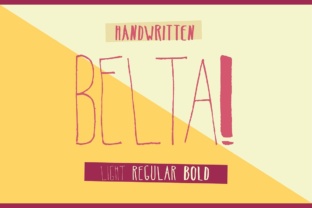
BELTA: THE HANDWRITTEN FONT THAT BRINGS PERSONALITY TO YOUR DESIGNS
When it comes to typography, the right font can make all the difference. Belta is a standout choice for anyone looking to add a touch of warmth and personality to their work. This all-caps handwritten font has a casual, friendly vibe that feels like it was written by hand, making it ideal for a variety of creative projects.
Why Belta Stands Out
Belta isn’t just another font—it’s a tool that brings a unique energy to any design. Its handwritten style gives it an approachable feel, which makes it perfect for branding, marketing materials, and more. Unlike rigid, structured fonts, Belta offers a relaxed aesthetic that feels more personal and authentic.
Whether you're designing a logo, creating social media graphics, or working on a poster, Belta adds a human element that can make your message more relatable. It’s especially effective when you want to convey a sense of fun, creativity, or informality.
Real-World Applications of Belta
One of the most common uses for Belta is in branding. Small businesses, startups, and independent creators often turn to this font to give their logos a distinctive, handmade look. For example, a boutique coffee shop might use Belta in its logo to create a cozy, welcoming atmosphere that feels more personal than a standard sans-serif font.
In the world of social media, Belta is a go-to for eye-catching headlines and captions. Influencers and content creators use it to draw attention to key points or to add a playful tone to their posts. The all-caps style ensures that the text stands out, while the handwriting keeps it from feeling too formal.
Event planners also find Belta useful for creating invitations and promotional materials. Whether it's a wedding, a festival, or a local gathering, using Belta can help set the tone and make the event feel more special. Its informal nature makes it suitable for both casual and semi-formal events.
Who Benefits from Using Belta?
Designers who want to add a personal touch to their work will appreciate Belta’s flexibility. It works well in both digital and print formats, making it a versatile choice for a wide range of projects. From web banners to business cards, Belta adapts seamlessly to different mediums.
Entrepreneurs and small business owners often use Belta to differentiate their brand from competitors. In a market where consistency is key, having a unique font can help a business stand out. Belta’s casual style also helps create a more approachable brand image, which can be especially beneficial for service-based businesses.
Content creators and marketers benefit from Belta’s ability to capture attention. In a world where users scroll quickly, using a bold, readable font like Belta can help messages resonate more effectively. It’s particularly useful for call-to-action buttons, headlines, and other elements that need to grab immediate attention.
Considerations When Using Belta
While Belta is highly versatile, it’s important to consider the context in which it’s used. Because it’s a handwritten font, it may not be the best choice for formal documents or professional reports. In those cases, a more structured font would be more appropriate.
Readability is another factor to keep in mind. While Belta is easy to read in larger sizes, it may become less legible when used in smaller text. Designers should test the font at different sizes to ensure it remains clear and effective.
Another consideration is the overall design of the project. Belta works best when paired with other fonts that complement its style. Using it alongside a clean, modern typeface can help balance the design and prevent it from becoming too overwhelming.
Strengths and Limitations of Belta
The biggest strength of Belta is its ability to add character and emotion to a design. Its handwritten appearance makes it feel more genuine, which can be powerful in storytelling and branding. It’s also highly customizable, allowing designers to adjust spacing, size, and other elements to fit their needs.
However, Belta does have some limitations. Its informal style may not be suitable for every project, and it can sometimes come across as too casual if not used appropriately. Additionally, because it’s a specialized font, it may not be as widely supported as more traditional typefaces, which could affect compatibility in certain software or platforms.
How to Incorporate Belta Into Your Workflow
For those new to Belta, starting with a simple project is a good idea. Try using it in a social media post or a flyer to see how it looks in practice. As you become more comfortable, you can experiment with more complex designs and pair it with other fonts to achieve the desired effect.
Many design tools now support custom fonts, making it easy to integrate Belta into your workflow. Whether you’re using Adobe Creative Suite, Canva, or another platform, you can download and install Belta to start experimenting right away.
Finally, don’t be afraid to play around with different styles and layouts. Belta is flexible enough to work in a variety of contexts, but the best results often come from a bit of trial and error. By testing it in real-world scenarios, you’ll gain a better understanding of how it can enhance your work.