Children: A Rustic, Feminine Font for Creative Projects
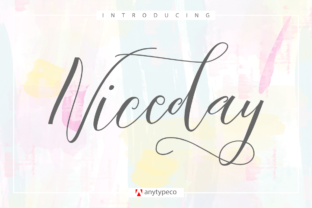
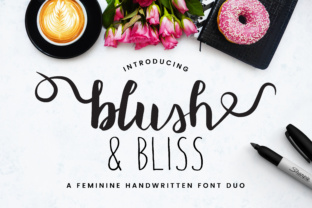
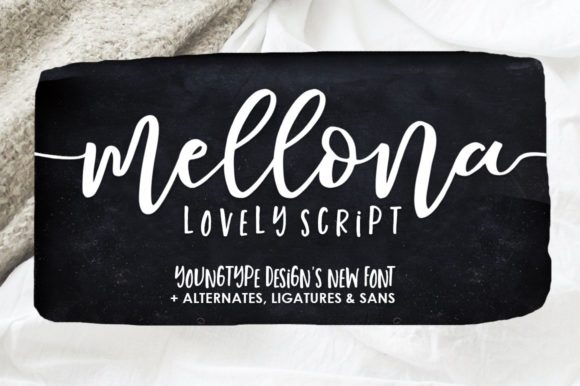
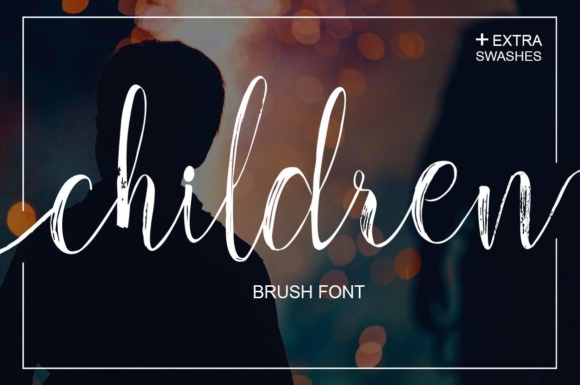
The Children font is a unique and elegant choice for designers and creators looking to infuse their work with a touch of rustic charm and subtle sophistication. This hand-brushed typeface offers a delicate and organic feel that can elevate a wide range of projects, from branding and packaging to invitations and editorial design. With its soft, flowing lines and feminine appeal, Children is ideal for those who want to convey warmth, authenticity, and a sense of nostalgia in their visual communication.
Understanding the Children Font
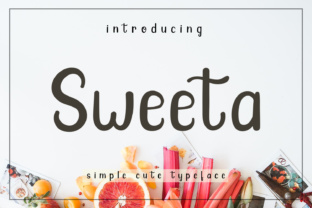
Developed with a focus on natural aesthetics, the Children font mimics the look of handwritten text, giving it a personal and artisanal quality. Its thin strokes and gentle curves make it stand out from more rigid or modern fonts, making it particularly well-suited for projects that aim to evoke a sense of simplicity and elegance. The font's versatility allows it to be used in both digital and print formats, offering a consistent and appealing appearance across different mediums.
One of the key characteristics of Children is its ability to blend seamlessly into various design contexts. Whether used as a headline, body text, or decorative element, this font adds a distinctive flair that can enhance the overall visual narrative. Its feminine undertones make it especially popular among brands targeting a more refined or nostalgic audience, such as boutique businesses, wedding planners, or lifestyle publications.
Challenges and Opportunities with the Children Font
While the Children font offers many benefits, it also presents some challenges that users should consider. Its thin and delicate structure may not be suitable for all types of content, particularly when readability is a priority. In larger blocks of text, the font might appear too light or difficult to read, especially in smaller sizes or on low-resolution screens. Therefore, it’s important to use it strategically and pair it with complementary fonts to ensure clarity and legibility.
Another challenge is the potential for overuse. Because of its popularity in certain design circles, the Children font may become associated with specific trends or styles. To avoid this, users should experiment with different weights, spacing, and color schemes to create a fresh and original look. By doing so, they can maintain the font’s unique appeal while avoiding the risk of appearing cliché or outdated.
How Children Can Enhance Your Projects
Despite these considerations, the Children font remains a powerful tool for designers looking to add character and personality to their work. Its rustic charm makes it an excellent choice for branding that emphasizes craftsmanship, tradition, or a connection to nature. For example, a handmade soap company could use the Children font to create a label that conveys a sense of authenticity and care, reinforcing the brand’s commitment to quality and sustainability.
In addition, the font’s feminine appeal can be leveraged in marketing campaigns targeting women or families. A children’s book publisher, for instance, might use the Children font for cover art or title pages to create a warm and inviting atmosphere that appeals to both parents and young readers. Similarly, a luxury spa or wellness center could incorporate the font into its branding to evoke a sense of calm and refinement.
Practical Applications and Outcomes
The versatility of the Children font means it can be applied to a wide range of creative projects. Here are a few examples of how it can be used effectively:
- Wedding Invitations: The font’s soft and elegant style makes it ideal for wedding stationery, helping to set a romantic and timeless tone.
- Branding and Logos: When paired with simple graphics or icons, the Children font can create a clean yet distinctive logo that stands out in a competitive market.
- Editorial Design: Magazine layouts, blog headers, or book covers that use the Children font can benefit from its organic and artistic feel, adding visual interest without overwhelming the reader.
- Product Packaging: For small businesses or independent creators, the font can be used on product labels, tags, or packaging to give items a handmade and personalized look.
When using the Children font, it’s essential to consider the context in which it will be viewed. For digital projects, testing the font on different devices and screen sizes can help ensure that it remains readable and visually appealing. In print, choosing the right paper stock and ink can enhance the font’s texture and depth, creating a more tactile and engaging experience.
Considerations for Different Users
Users may approach the Children font differently depending on their goals and design preferences. A graphic designer working on a high-end fashion campaign might use the font sparingly as a headline, while a DIY enthusiast creating custom greeting cards might use it more extensively as the primary text. Each approach has its own advantages, and the key is to find a balance between style and functionality.
Additionally, the font’s suitability may vary based on cultural or regional preferences. In some contexts, the font’s feminine and rustic qualities may be seen as overly traditional or old-fashioned, while in others, they may be celebrated as a nod to heritage and craftsmanship. Understanding the target audience and the message being conveyed can help users make informed decisions about how to incorporate the font into their work.
Ultimately, the Children font offers a unique and expressive way to communicate ideas through typography. By understanding its strengths and limitations, users can harness its potential to create visually compelling and emotionally resonant designs. Whether used in a subtle or bold manner, the font has the power to transform ordinary text into something truly special.