Dilation: A Handmade Calligraphy Font for Branding and Creativity
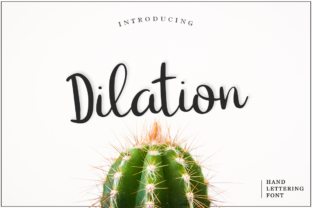
Dilation is a fresh, handmade calligraphy font that has gained attention for its unique aesthetic and versatility. Designed with a modern yet organic feel, it offers a distinctive look that can elevate a wide range of design projects. Whether used in branding, marketing materials, or personal creative work, Dilation provides a visually engaging option for those looking to add a touch of trendiness and individuality.
As a calligraphy font, Dilation blends the elegance of hand-drawn lettering with the consistency of digital typography. Its design features fluid strokes and subtle variations that mimic the natural movement of a pen on paper. This gives the font a sense of authenticity and warmth, which can be particularly appealing in an era where many digital fonts tend to feel uniform and impersonal.
Why Someone Might Be Interested in Dilation
Individuals and businesses exploring font options may find Dilation appealing for several reasons. First, its handmade quality sets it apart from more rigid, machine-generated fonts. This can make it ideal for projects that aim to convey creativity, craftsmanship, or a personal touch. For example, designers working on logos, packaging, or promotional materials might choose Dilation to create a more expressive and memorable visual identity.
Additionally, Dilation’s brandable appeal makes it a strong candidate for businesses seeking a distinctive identity. In competitive markets, having a unique font can help a brand stand out and establish a stronger connection with its audience. The font’s adaptability across different styles also means it can be used in various contexts, from minimalist designs to more elaborate compositions.
Benefits of Using Dilation
One of the primary benefits of Dilation is its ability to add character and personality to a design. Unlike standard sans-serif or serif fonts, which often prioritize clarity and neutrality, Dilation introduces a sense of artistry and flair. This can be especially valuable in creative industries such as fashion, art, or lifestyle branding, where visual expression plays a key role.
Another advantage is its readability in certain contexts. While calligraphy fonts can sometimes be difficult to read at smaller sizes, Dilation is designed with legibility in mind. Its balanced proportions and clear letterforms allow it to maintain readability even in longer text blocks, making it suitable for headings, titles, and short phrases.
Tradeoffs and Considerations
Despite its strengths, Dilation may not be the best choice for every project. One potential tradeoff is its suitability for large-scale text. While it works well for headlines and short messages, using it for body text could reduce readability and compromise the overall design. Users should consider the intended use case before incorporating Dilation into their work.
Another factor to consider is the font’s availability and licensing. As a handmade font, Dilation may have specific terms of use that differ from standard typefaces. Users should review the licensing information carefully to ensure compliance, especially if the font will be used commercially.
Situations Where Dilation May Be a Strong Fit
Dilation is particularly well-suited for projects that emphasize creativity, uniqueness, and a personal touch. For instance, independent artists, small businesses, or startups looking to build a distinct brand identity may find Dilation to be an effective tool. It can also be useful in editorial design, such as magazine layouts, book covers, or social media graphics, where visual interest is important.
In addition, Dilation can enhance the aesthetic of digital content, such as websites, presentations, or mobile apps. When used sparingly, it can add a layer of sophistication and style without overwhelming the design. Its versatility allows it to complement both modern and traditional design themes, making it a flexible option for various creative applications.
Situations Where Alternatives May Be Worth Considering
For projects that require high readability or a more neutral appearance, alternatives to Dilation may be more appropriate. Standard serif or sans-serif fonts, such as Times New Roman or Helvetica, are often preferred for body text due to their clarity and widespread use. In these cases, Dilation may not be the optimal choice.
Additionally, users who need a font that works across multiple languages or scripts may find limitations with Dilation. Some handmade fonts are designed primarily for Latin-based alphabets and may not support extended character sets or non-Latin scripts. This could be a consideration for international brands or multilingual projects.
Practical Decision-Making Insights
When deciding whether to use Dilation, it’s important to evaluate the specific needs of the project. Start by considering the purpose of the design—whether it aims to communicate information, evoke emotion, or create a visual statement. If the goal is to add a unique and artistic element, Dilation could be a strong fit.
Testing the font in different contexts is also recommended. Experimenting with how Dilation looks in various sizes, colors, and backgrounds can help determine its effectiveness. This process can reveal any potential issues with legibility or compatibility, allowing for informed adjustments before finalizing the design.
Finally, reviewing the font’s licensing and technical specifications is essential. Ensuring that Dilation meets the requirements for the intended use, whether personal or commercial, can prevent complications down the line. By taking these steps, users can make a more confident decision about whether Dilation aligns with their goals and needs.