Don't Wanna Know: A Whimsical Font for Modern Creativity
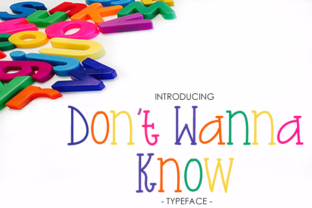
In a world where digital design is constantly evolving, the right font can make all the difference in capturing attention and conveying emotion. One such font that has been gaining traction among designers, marketers, and creators is Don't Wanna Know. This handwritten serif font brings a unique, storybook charm that resonates with a wide range of audiences. Its playful yet professional aesthetic makes it a versatile choice for various projects, from children's print work to branding materials.
As the creative industry continues to embrace more personalized and expressive designs, Don't Wanna Know stands out as a font that not only meets current trends but also anticipates future directions. With its whimsical character and narrative-driven appeal, it's no wonder that professionals across different fields are taking notice.
The Rise of Handwritten Typography
Handwritten typography has seen a resurgence in recent years, driven by a desire for authenticity and emotional connection in design. In an age dominated by sleek, geometric fonts, the organic feel of a handwritten style offers a refreshing contrast. Don't Wanna Know exemplifies this trend, offering a handcrafted look that feels both nostalgic and contemporary.
This shift towards more personal and expressive typography reflects broader changes in consumer behavior. Today's audiences are more discerning and seek out brands that reflect their values and personality. A font like Don't Wanna Know can help convey a brand's identity in a way that feels genuine and relatable.
Why Don't Wanna Know Stands Out
What sets Don't Wanna Know apart from other handwritten fonts is its distinctive character and versatility. The font's storybook aesthetic gives it a sense of whimsy that can be adapted to various contexts. Whether used in a children's book, a marketing campaign, or a social media post, it adds a touch of creativity without overwhelming the design.
One reason this font is gaining attention is its ability to bridge the gap between formal and informal communication. It's perfect for projects that require a friendly, approachable tone while still maintaining a level of professionalism. For instance, a children's educational website might use Don't Wanna Know to create a more engaging and inviting user experience.
Moreover, Don't Wanna Know is highly readable, even in smaller sizes. This makes it suitable for a wide range of applications, from headlines to body text. Its legibility ensures that the message remains clear and effective, regardless of the medium.
Applications Across Industries
The adaptability of Don't Wanna Know makes it valuable across multiple industries. In the education sector, for example, it can be used to create engaging learning materials that capture the attention of young students. Its playful nature encourages interaction and makes learning more enjoyable.
In the realm of marketing and advertising, this font can be used to craft compelling slogans and taglines that stand out in a crowded marketplace. By using a unique typeface, brands can differentiate themselves and create a memorable identity. For instance, a boutique clothing store might use Don't Wanna Know in its promotional materials to convey a sense of fun and individuality.
Freelancers and entrepreneurs also benefit from the flexibility of Don't Wanna Know. Whether designing a logo, creating a website, or developing a brand identity, this font provides a creative edge that can set their work apart. It allows them to express their vision in a way that feels authentic and aligned with their brand's values.
Connecting with the Right Audience
Understanding the target audience is crucial when selecting a font. Don't Wanna Know is particularly effective for reaching younger demographics who value creativity and self-expression. Its playful style resonates with those who appreciate originality and want to stand out from the crowd.
At the same time, the font's readability and professional appearance make it suitable for more traditional settings. This dual appeal allows it to be used in both casual and formal contexts, making it a valuable tool for designers looking to cater to diverse audiences.
For businesses targeting a family-oriented market, Don't Wanna Know can be an excellent choice. It adds a sense of warmth and approachability that aligns with the values of many parents and educators. Whether used in a children's book or a parenting blog, it helps create a more engaging and relatable experience.
The Future of Typography in Design
As technology continues to shape the design landscape, the role of typography will become even more significant. With the rise of AI and automation, the need for human-like, expressive fonts is likely to increase. Don't Wanna Know represents a forward-thinking approach to typography, blending tradition with innovation.
Designers are increasingly looking for fonts that offer both functionality and personality. Don't Wanna Know meets this demand by providing a unique visual identity that can enhance any project. Its ability to evoke emotion and tell a story makes it a powerful tool in the hands of creative professionals.
Looking ahead, we can expect to see more fonts like Don't Wanna Know that prioritize individuality and expression. As the design community continues to evolve, the demand for fonts that reflect personal and brand identities will only grow. This trend underscores the importance of choosing a typeface that not only looks good but also communicates the right message.
Practical Tips for Using Don't Wanna Know
If you're considering using Don't Wanna Know in your next project, here are a few practical tips to keep in mind:
- Use it strategically: Apply the font to key elements such as headings, logos, or call-to-action buttons to draw attention without overwhelming the overall design.
- Pair it with complementary fonts: Combine Don't Wanna Know with a clean, sans-serif font for balance and contrast. This creates a visually appealing hierarchy that enhances readability.
- Consider the context: Think about the message you want to convey and how the font's personality aligns with your brand's voice. A playful font may not be suitable for a high-end luxury brand, but it could work well for a creative startup.
- Test it on different mediums: Ensure that the font looks good on both digital and print formats. This helps maintain consistency across all platforms and ensures that your message is delivered effectively.
By following these guidelines, you can maximize the impact of Don't Wanna Know and create designs that resonate with your audience.
Conclusion
Don't Wanna Know is more than just a font—it's a creative tool that can elevate your design work and connect with your audience on a deeper level. Its whimsical charm, combined with its practicality, makes it a valuable asset for professionals in various industries.
As the design world continues to evolve, the importance of typography will only grow. By embracing fonts like Don't Wanna Know, designers can stay ahead of the curve and create work that stands out in a competitive market. Whether you're working on a children's book, a marketing campaign, or a personal project, this font offers a unique opportunity to express your creativity and engage your audience in a meaningful way.