Hidea: A Script Font for Elegant Design Workflows
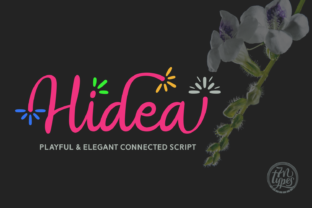
When it comes to typography, the right font can make all the difference in a design project. Hidea is a stunning script font that offers a unique blend of elegance and versatility. Whether you're working on print materials or digital assets, Hidea provides a refined look that can elevate your work. Its stylistic and swashy alternates allow for creative expression, making it ideal for logotypes, branding, and other typographic designs that require a touch of sophistication.
Understanding where Hidea fits into your workflow is essential for maximizing its potential. From initial concept to final execution, this font can be a valuable addition at various stages of a project. Let's explore how Hidea can integrate into different processes and enhance your design outcomes.
Integrating Hidea into Your Creative Process
Before starting a new project, consider the visual identity you want to convey. Hidea can be a powerful tool in defining that identity, especially when creating logos or brand elements. Its fluid, flowing style adds a sense of movement and grace, which can be particularly effective in industries like fashion, beauty, or luxury goods.
During the design phase, using Hidea can help you experiment with different layouts and compositions. The font’s swashy alternates offer flexibility, allowing you to create variations that suit specific design needs. This adaptability makes it easier to maintain a cohesive look across multiple assets, such as business cards, social media graphics, or website headers.
After completing a project, Hidea can still play a role in quality control and refinement. By reviewing your work with this font, you can ensure that the typography aligns with your overall vision. It also helps in maintaining consistency, especially when working on long-term campaigns or multi-platform projects.
Using Hidea in Different Workflow Stages
For professionals in fields like marketing or graphic design, Hidea can be an asset during the planning phase. When developing a campaign, selecting the right typeface is crucial for conveying the intended message. Hidea’s elegant style can help establish a tone that resonates with your target audience, whether it's for a high-end product launch or a community-focused initiative.
In the execution phase, Hidea can streamline your workflow by offering a range of stylistic options. Instead of manually adjusting each character, you can use the font’s built-in alternates to quickly achieve a polished look. This efficiency can save time, especially when working under tight deadlines or managing multiple design tasks simultaneously.
For those involved in content creation, such as bloggers or educators, Hidea can add a personal touch to your work. Whether you're designing a header for a blog post or creating educational materials, this font can enhance readability while maintaining an aesthetic appeal. Its versatility allows it to work well in both professional and casual settings.
Compatibility and Practical Implementation
When incorporating Hidea into your workflow, it's important to consider compatibility with other tools and platforms. Most design software, including Adobe Illustrator, Photoshop, and InDesign, supports custom fonts, making it easy to integrate Hidea into your existing projects. However, always verify that the font is properly licensed and compatible with your preferred design environment.
Organization is key when working with multiple fonts. To keep your design library manageable, categorize Hidea alongside other script or decorative fonts. This practice ensures that you can quickly access it when needed, without disrupting your workflow. Additionally, maintaining a consistent naming convention for your font files can improve efficiency and reduce confusion.
Usability is another factor to consider. While Hidea is visually appealing, it may not be suitable for large blocks of text due to its intricate details. Instead, use it for headings, titles, or short phrases where its visual impact can shine. This approach ensures that your designs remain readable and professional.
Workflow Examples and Use Cases
Consider a scenario where you're designing a logo for a boutique clothing line. Using Hidea, you can create a custom logotype that reflects the brand's personality. The font’s swashy alternates allow for subtle variations that can differentiate your design from competitors. This attention to detail can make a significant impact on how your brand is perceived.
Another example involves a small business owner looking to update their website. By applying Hidea to the site’s headers and call-to-action buttons, they can create a more engaging user experience. The font’s elegance complements modern web design trends, helping to establish a professional and inviting online presence.
For educators or content creators, Hidea can be used in presentation materials or instructional guides. Adding a touch of class to slides or handouts can make information more engaging and memorable. This application demonstrates how a single font can enhance communication and support learning objectives.
Long-Term Use and Maintenance
As you continue to use Hidea in your projects, maintaining a consistent approach will help you get the most out of the font. Regularly review your work to ensure that it aligns with your design goals and brand standards. This practice also allows you to identify any areas where adjustments might be needed.
Staying updated on new releases or updates related to Hidea can provide additional features or improvements that enhance your workflow. Engaging with design communities or following font designers on social media can keep you informed about these developments. This proactive approach ensures that you’re always leveraging the latest capabilities of the font.
Finally, consider the long-term value of Hidea in your design toolkit. As your projects evolve, this font can remain a reliable resource for adding visual interest and professionalism. Its versatility and aesthetic appeal make it a worthwhile investment for anyone involved in design or creative work.