Italo: A Versatile Font for Creative and Professional Workflows
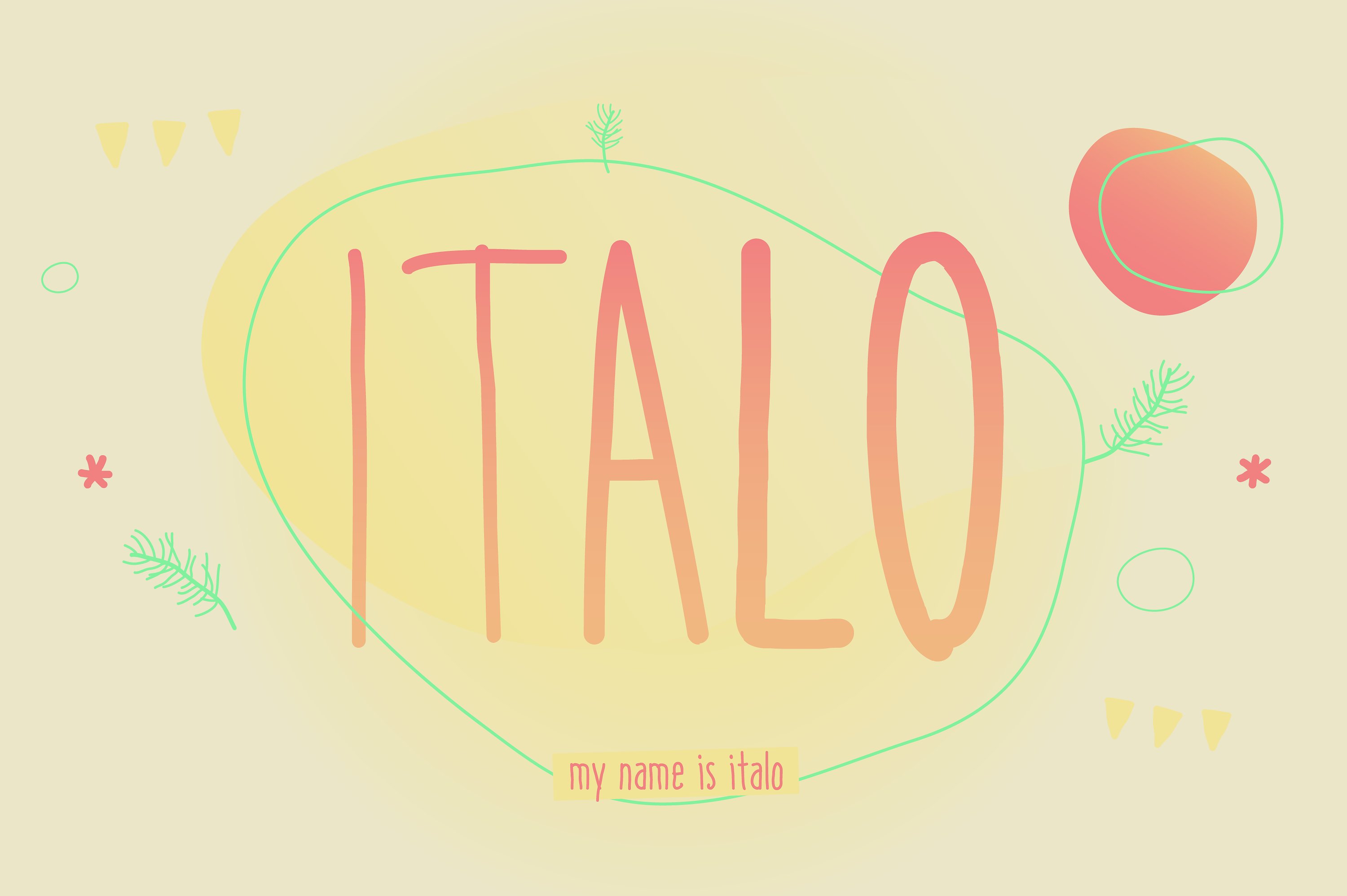
Italo is a beautiful, relaxed, and friendly sans serif font that brings a unique handwritten touch to any design. Its informal style makes it ideal for projects where a personal, approachable feel is desired. Whether you're working on a brand identity, a marketing campaign, or a creative project, Italo can add a distinctive character that stands out without overwhelming the message.
This font is particularly useful in situations where a more casual tone is appropriate. Italo’s soft curves and subtle imperfections mimic the look of hand-drawn text, making it perfect for headlines, body text, and other elements where a human touch enhances the overall aesthetic. Its readability at various sizes ensures that it remains effective across different mediums, from digital screens to printed materials.
Integrating Italo into Your Workflow
Understanding how to integrate Italo into your workflow can help you maximize its potential. Before starting a project, consider the tone and audience of your work. If you’re aiming for a warm, inviting feel, Italo can be an excellent choice. For example, in a branding project, using Italo for a logo or tagline can convey a sense of authenticity and creativity.
During the design process, Italo can serve as a key element in visual storytelling. When paired with other fonts, it can create contrast and hierarchy. For instance, using Italo for headings while pairing it with a more structured typeface for body text can balance informality with professionalism. This combination works well in social media posts, presentations, and even print materials like brochures or flyers.
After completing a project, Italo can also play a role in quality control. Reviewing your work with this font can help ensure that the tone remains consistent throughout. If you're working on a multi-platform campaign, checking how Italo looks on different devices and backgrounds can help maintain visual integrity across all formats.
Use Cases for Italo in Different Scenarios
Italo is not limited to just design projects. It can be used in a variety of contexts, including marketing, education, and personal development. In marketing, Italo can make promotional materials more engaging. For example, using it in email newsletters or social media graphics can attract attention and encourage interaction.
In educational settings, Italo can be useful for creating visually appealing learning materials. Teachers and educators might use it in lesson plans, handouts, or digital presentations to make content more approachable. Its friendly appearance can help reduce the intimidation factor of complex topics, making learning more accessible.
For personal goals, such as journaling or planning, Italo can add a personal touch to your notes and to-do lists. Using it in a planner or a digital note-taking app can make the process of organizing tasks more enjoyable and less rigid. This can be especially beneficial for those who value creativity in their daily routines.
Compatibility and Practical Considerations
When considering Italo for your projects, compatibility is an important factor. Ensure that the platform or software you're using supports this font. Most modern design tools, such as Adobe Creative Suite, Canva, and Figma, include Italo or similar fonts in their libraries. If not, you may need to download and install it separately.
Usability is another key consideration. While Italo is readable, it's best suited for shorter texts rather than long paragraphs. For body text, it's recommended to pair it with a more traditional font to maintain clarity. This approach helps avoid visual fatigue and ensures that your message is easily digestible.
Organization and efficiency are also important when using Italo. Keeping track of where and how you apply this font can help maintain consistency across your work. Creating a style guide that includes font usage, spacing, and color schemes can streamline the design process and improve overall quality.
Workflow Examples with Italo
Let’s explore a few practical examples of how Italo can be used in real-world workflows. Suppose you're designing a website for a boutique coffee shop. Using Italo for the headline and subheadings can create a welcoming atmosphere that aligns with the brand's personality. Pairing it with a clean, modern font for the body text ensures that the information remains easy to read.
Another example could be a social media campaign for a wellness brand. Using Italo in post captions and graphic titles can add a personal, authentic feel that resonates with the target audience. This approach can enhance engagement and build a stronger connection with followers.
For a freelance designer, integrating Italo into client proposals can make the presentation more visually appealing. Using it for section headings and key points can draw attention to important details while maintaining a professional appearance. This can help differentiate your work and leave a lasting impression on clients.
Long-Term Use and Maintenance
When using Italo over the long term, it's important to monitor its effectiveness. Regularly reviewing your work can help identify any issues with readability or consistency. If you notice that Italo isn't performing as expected in certain contexts, consider adjusting its usage or exploring alternative fonts.
Maintaining a library of fonts and styles can also help you make informed decisions about when and where to use Italo. Keeping track of which fonts work best for different types of content can save time and improve the overall quality of your output.
Finally, staying updated on new font releases and design trends can help you continue to use Italo effectively. As design practices evolve, so too do the tools and resources available to creators. By remaining adaptable, you can ensure that your work stays fresh and relevant.