Mostley: A Bold, Hand-Crafted Font for Dynamic Design
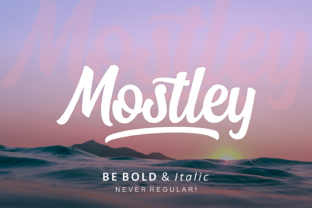
Mostley is a unique typeface that blends the organic feel of brush strokes with the clarity of modern typography. Designed for those who want to add a personal, artistic touch to their work, Mostley stands out as a versatile option for both digital and print projects. Its painterly aesthetic makes it ideal for branding, editorial design, and creative presentations where a humanized, authentic look is desired.
What Makes Mostley Unique?
Unlike many fonts that aim for uniformity, Mostley embraces variation. Each character carries subtle irregularities that mimic the natural flow of hand-lettering. This gives the typeface a sense of movement and energy, making it perfect for designs that require a more expressive or dynamic visual language. The font’s weight and spacing are carefully balanced to maintain readability while preserving its artistic flair.
The inspiration behind Mostley comes from traditional brush lettering techniques, which have been adapted into a digital format. This results in a font that feels both contemporary and timeless. Whether used in headlines, logos, or body text, Mostley adds a layer of personality that other fonts may lack.
Key Characteristics and Practical Value
Mostley is available in multiple weights, offering flexibility for different design needs. From light and elegant to bold and striking, each variant maintains the font’s signature style while adapting to various contexts. This range allows designers to experiment with hierarchy and emphasis without sacrificing visual cohesion.
The font supports a wide range of languages, making it accessible for international projects. Its open counters and clear shapes ensure legibility even at smaller sizes, which is essential for body text in magazines, websites, or social media content. Additionally, Mostley’s consistent stroke widths and proportions make it suitable for both large-scale signage and detailed illustrations.
Real-World Applications and Performance
Designers working on branding projects often turn to Mostley for its ability to convey a sense of craftsmanship and authenticity. It works well for logos, packaging, and promotional materials where a handmade quality is desirable. For example, a boutique coffee shop might use Mostley in its signage to reinforce a local, artisanal identity.
In editorial design, Mostley can be used for article titles, pull quotes, or section headers. Its expressive nature helps draw attention and guide the reader’s eye through a layout. When paired with simpler typefaces, it creates a harmonious contrast that enhances the overall composition.
For digital use, Mostley performs reliably across platforms and devices. Its vector-based structure ensures sharp rendering at any size, and its compatibility with design software like Adobe Illustrator and Photoshop makes it easy to integrate into existing workflows.
Strengths and Limitations
One of Mostley’s greatest strengths is its ability to add a personal touch without being overwhelming. It strikes a balance between creativity and professionalism, making it suitable for a wide range of industries. Its versatility also extends to different mediums, from web design to physical prints.
However, because of its hand-crafted appearance, Mostley may not be the best choice for all types of content. In highly technical or data-driven contexts, such as infographics or reports, its stylistic elements could interfere with readability. It’s also important to consider the audience—some viewers may find the irregularity of the font distracting if not used thoughtfully.
Who Benefits Most from Using Mostley?
Mostley is particularly valuable for creatives who want to differentiate their work. Freelancers, small business owners, and independent designers can use it to create a unique brand identity that stands out in a crowded market. It’s also beneficial for educators and publishers looking to make learning materials more engaging and visually appealing.
Entrepreneurs launching new products or services may find Mostley useful for marketing collateral, such as brochures, banners, or social media graphics. Its rustic yet modern vibe aligns well with trends in minimalism and sustainability, making it a strong choice for eco-conscious brands or artisanal businesses.
Recommendations for Effective Use
To get the most out of Mostley, start by considering the context in which it will be used. For maximum impact, pair it with clean, neutral typefaces that don’t compete with its character. This approach helps maintain visual balance while allowing Mostley to shine.
When using Mostley in digital formats, test it at different sizes and resolutions to ensure it remains legible. Adjust line spacing and kerning as needed to improve readability, especially in longer text blocks. For print projects, consult with a professional designer to optimize the font’s performance on various paper stocks and printing methods.
Long-Term Value and Considerations
Investing in a font like Mostley can pay off over time, especially for designers who frequently work on custom projects. Its distinctive style can become a signature element of a brand or portfolio, setting it apart from competitors. However, it’s important to evaluate whether the font aligns with long-term design goals and client expectations.
As with any design tool, the effectiveness of Mostley depends on how it’s applied. Thoughtful use, proper pairing, and an understanding of the target audience will determine whether it enhances or detracts from the overall message. For those willing to explore its potential, Mostley offers a powerful way to add depth and character to their work.