Type 2: A Bold, Urban Font for Creative Expression
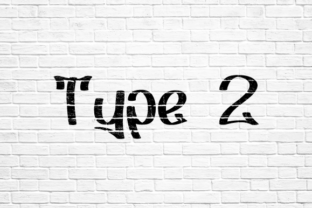
Type 2 is more than just a font—it's a statement. With its hard edges and aggressive style, this graffiti-inspired typeface brings an urban energy to any design project. Whether you're working on a logo, poster, or digital artwork, Type 2 adds a raw, streetwise vibe that commands attention. Its clean lines and sharp angles make it ideal for projects that need a strong visual impact.
What Makes Type 2 Stand Out?
Type 2 is designed with the aesthetics of street art in mind. The font’s bold strokes and angular shapes reflect the energy of graffiti culture, making it perfect for anything from branding to signage. Unlike softer, more traditional fonts, Type 2 doesn’t shy away from intensity. It’s built to be seen, heard, and felt.
The hard edges of Type 2 give it a distinctive look that’s instantly recognizable. This font isn’t about subtlety—it’s about power and presence. Each letter is crafted with precision, ensuring that even in small sizes, the font maintains its clarity and strength. This makes it a versatile choice for both large-scale and detailed designs.
When to Use Type 2
Urban design is one of the primary areas where Type 2 shines. From murals to t-shirt graphics, this font can elevate the visual language of any project that aims to capture a streetwise aesthetic. It’s especially popular among designers who want to convey a sense of rebellion, creativity, or modernity without compromising on readability.
In addition to graffiti-inspired work, Type 2 is also useful in branding. Companies looking to establish a bold, edgy identity often turn to this font for logos, slogans, and promotional materials. Its strong visual appeal helps create a memorable brand image that stands out in crowded markets.
For digital artists, Type 2 offers a way to add a gritty, authentic feel to their work. Whether used in illustrations, game design, or social media content, this font can help bring a sense of realism and depth to creative projects. Its versatility allows it to fit into a wide range of styles, from minimalist to maximalist.
Key Features of Type 2
One of the most notable features of Type 2 is its legibility. Despite its bold and aggressive appearance, the font remains easy to read, even at smaller sizes. This is due to the careful balance between thick and thin strokes, which ensures that each character maintains its structure without becoming overwhelming.
Another advantage of Type 2 is its adaptability. It works well in both digital and print formats, making it a reliable choice for a variety of applications. Whether you're designing a website, a flyer, or a product label, this font can be integrated seamlessly into your workflow.
Additionally, Type 2 supports a wide range of characters, including uppercase and lowercase letters, numbers, and symbols. This makes it suitable for use in headlines, captions, and other text elements that require flexibility and completeness.
How to Incorporate Type 2 Into Your Projects
If you're new to using Type 2, start by experimenting with different sizes and placements. Because of its bold nature, it works best when used strategically—too much can overwhelm a design, but just the right amount can add a powerful visual punch.
Consider pairing Type 2 with simpler, more neutral fonts to create contrast and balance. For example, using a clean sans-serif font alongside Type 2 can help draw attention to key elements while maintaining overall readability. This combination is especially effective in editorial layouts, marketing materials, and web design.
When working with Type 2, pay attention to spacing and alignment. Since the font has sharp edges, even small adjustments can significantly affect the overall look and feel of a design. Use grid systems and typography tools to ensure that your text remains consistent and professional.
Benefits of Using Type 2 in Design
One of the main benefits of Type 2 is its ability to evoke emotion. The font’s aggressive style can communicate a sense of urgency, confidence, or defiance, depending on how it's used. This makes it a valuable tool for designers who want to create a specific mood or message in their work.
Another advantage is its cultural relevance. As a font inspired by graffiti and street art, Type 2 connects with a wide audience that values authenticity and creativity. This makes it a great choice for projects targeting younger demographics or those with a strong interest in urban culture.
Finally, Type 2 is a practical choice for designers who want to save time without sacrificing quality. Its clear structure and strong visual identity mean that it can be used across multiple platforms and formats without requiring extensive customization. This makes it an efficient option for both personal and professional projects.
Common Considerations When Using Type 2
Before adopting Type 2, consider the context in which it will be used. While it’s excellent for urban and street-style designs, it may not be appropriate for more formal or traditional settings. Always evaluate whether the font aligns with the tone and purpose of your project.
Another consideration is licensing. Make sure to check the terms of use for Type 2 to ensure that it can be used legally in your intended application. Some fonts come with restrictions on commercial use, so it’s important to understand these details before integrating them into your work.
Lastly, test Type 2 in different environments to see how it performs. View it on various devices and backgrounds to ensure that it remains readable and visually appealing. This step can help prevent issues that might arise from poor visibility or inconsistent display.