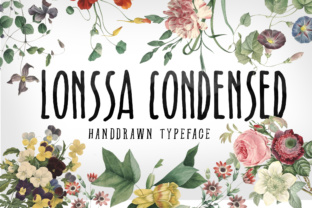
Lonssa Condensed: A Beautiful, Practical Choice for Designers
Lonssa Condensed is more than just a typeface—it’s a thoughtful design that blends elegance with functionality. Whether you're working on a personal project or a professional campaign, this font offers a unique balance of readability and charm. Its clean lines and harmonious structure make it ideal for a wide range of applications, from branding to digital content. But like any design tool, using Lonssa Condensed effectively requires understanding its strengths and limitations.
Many designers overlook the importance of choosing a font that not only looks good but also serves the purpose of the message. Lonssa Condensed excels in this area, offering a versatile style that adapts well to different contexts. However, without careful consideration, even the best fonts can lead to suboptimal results.
Common Mistakes When Using Lonssa Condensed
One of the most frequent mistakes is assuming that a visually appealing font will automatically work in every situation. While Lonssa Condensed is beautiful, it may not be the best choice for all projects. For example, using it in long blocks of text can reduce readability, especially if the spacing or size isn’t adjusted properly. This can lead to a less professional appearance and potentially confuse your audience.
Another common error is failing to consider the context of use. A font that works well for a logo might not be suitable for body text. Lonssa Condensed is designed with a condensed structure, which makes it ideal for headings, titles, and short phrases. But when used in extended paragraphs, it can become difficult to read, especially at smaller sizes. This oversight can affect how your message is received and may even impact the overall effectiveness of your design.
Some users also neglect to check the licensing terms before downloading or purchasing Lonssa Condensed. This font may have specific restrictions on commercial use, redistribution, or modification. Failing to review these details can result in legal issues or the need to repurchase the font later, adding unnecessary costs and delays.
How to Avoid These Pitfalls
To get the most out of Lonssa Condensed, start by understanding its intended use. If you’re designing a website, app interface, or marketing material, consider where the font will be placed. Use it for headlines, banners, or key visual elements where its aesthetic appeal can shine. For body text, opt for a more traditional typeface that prioritizes legibility.
Testing the font in different sizes and formats is also essential. What looks great on a large banner may not work as well on a mobile screen or printed document. Always preview your design in multiple environments to ensure consistency and clarity. This step can save time and prevent last-minute changes that could disrupt your workflow.
Before downloading or buying Lonssa Condensed, take the time to review the license agreement. Make sure you understand what you’re allowed to do with the font. If you’re unsure, reach out to the vendor for clarification. This proactive approach helps avoid potential conflicts and ensures you’re using the font responsibly.
What to Check Before Using Lonssa Condensed
Before incorporating Lonssa Condensed into your project, verify that it supports the languages and characters you need. Some fonts may lack certain symbols, diacritics, or special characters, which can be a problem if your content includes non-English text or technical terminology. Checking for comprehensive character support ensures your design remains consistent and professional across all platforms.
Also, consider the file format and compatibility. Lonssa Condensed may come in different formats such as OTF, TTF, or WOFF. Make sure the version you choose is compatible with your design software and the platforms where your work will be displayed. Incompatibility can lead to formatting issues or unexpected results, especially when sharing files with others.
Finally, evaluate the font’s performance on different devices and screen resolutions. High-resolution displays and mobile screens can render fonts differently, so it’s important to test how Lonssa Condensed appears in real-world conditions. This helps maintain the integrity of your design and ensures a better user experience.
Realistic Examples and Better Approaches
Imagine you’re creating a social media post for a boutique brand. Using Lonssa Condensed for the headline can add a touch of sophistication and draw attention to your message. However, if you use it for the entire post, the text may become hard to read, especially on smaller screens. A better approach would be to use Lonssa Condensed for the title and a more readable font for the body copy.
Another example is a business card design. Lonssa Condensed can be an excellent choice for the company name and tagline, giving a polished and modern look. But if you include too much information in the same font, the card may appear cluttered. Instead, use it selectively to highlight key details while keeping the rest of the text clear and easy to read.
For a blog layout, consider using Lonssa Condensed for section headers or featured posts. This adds visual interest without compromising the readability of the main content. Pairing it with a standard serif or sans-serif font for the body text creates a balanced and professional appearance that keeps readers engaged.
Conclusion: Make Informed Choices with Lonssa Condensed
Lonssa Condensed is a powerful tool that can elevate your designs when used correctly. Its elegant style and practical features make it a valuable addition to any designer’s toolkit. However, like any font, it requires thoughtful application to achieve the best results.
By avoiding common mistakes, checking licensing and compatibility, and testing the font in different contexts, you can ensure that your use of Lonssa Condensed enhances rather than hinders your projects. With the right approach, this typeface can become a go-to choice for a wide range of creative and professional endeavors.